
Preparing Your Business for Seasonal Connectivity Challenges
Introduction to Seasonal Connectivity Challenges
As the seasons change, businesses often face unique connectivity challenges that can impact operations. Whether it’s the increased demand during the holiday season or the weather-related disruptions in winter, preparing in advance is crucial. Understanding these challenges can help ensure your business remains operational and efficient throughout the year.

Understanding the Impact of Seasonal Demands
During peak seasons, such as the holidays, businesses often experience a surge in online traffic. This can lead to network congestion, slower internet speeds, and potential downtime. It’s essential to assess your current bandwidth and consider upgrading if necessary to accommodate increased demand.
Customer expectations are also higher during these times, which means any connectivity issues can lead to dissatisfaction and lost sales. Implementing robust systems to handle increased traffic is crucial for maintaining customer satisfaction.
Proactive Infrastructure Management
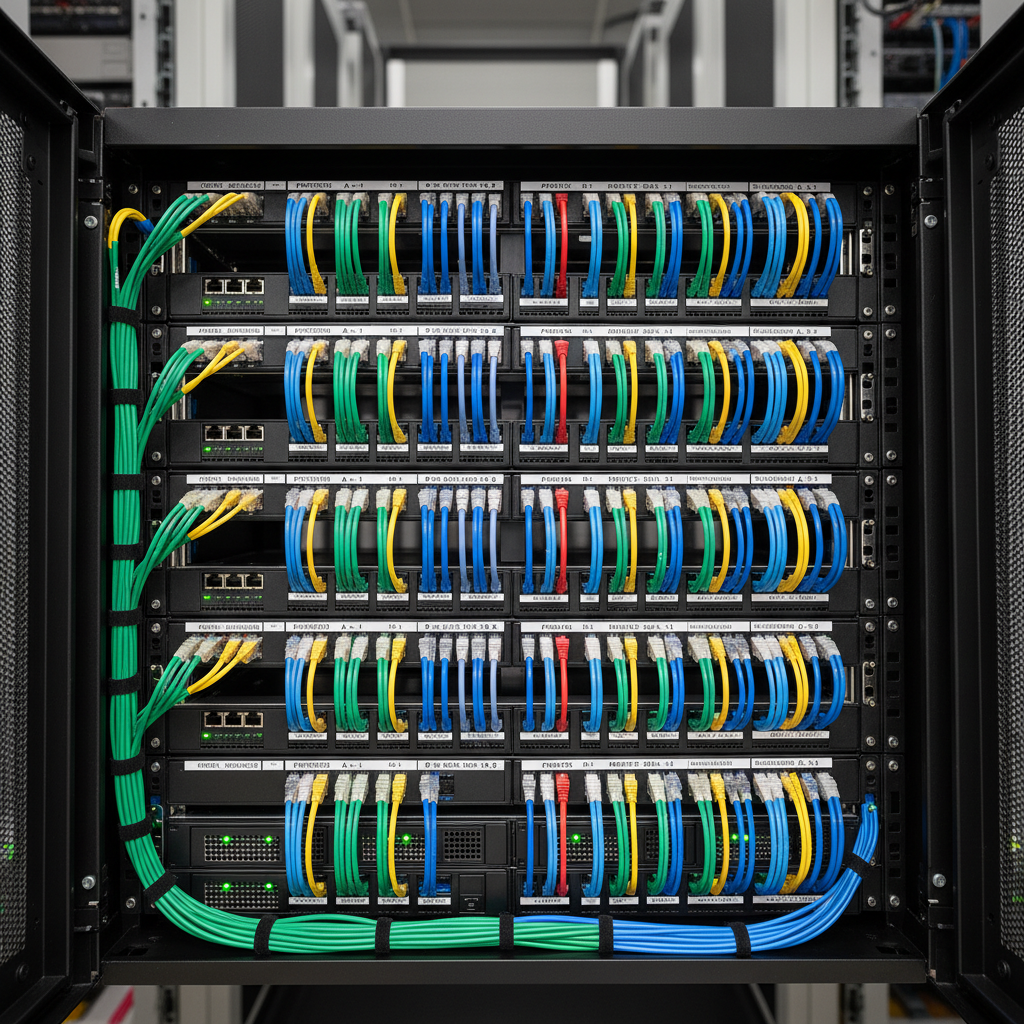
Preparing your infrastructure for seasonal changes is vital. Conduct regular maintenance checks to ensure all equipment is functioning optimally. Consider investing in backup systems to provide redundancy in case of failures. Additionally, utilizing cloud services can offer flexibility and scalability to manage varying levels of demand.
Weather-Related Connectivity Challenges
Winter storms, heavy rains, and other weather conditions can disrupt connectivity and power supplies. Businesses should have contingency plans in place to address these issues. This includes investing in uninterruptible power supplies (UPS) and backup generators.
It’s also wise to establish remote working capabilities for employees in case they cannot access the office due to weather conditions. Ensure that your team has the necessary tools and access to maintain productivity from any location.
Enhancing Cybersecurity Measures
With increased connectivity comes heightened cybersecurity risks, especially during busy seasons. Strengthen your cybersecurity protocols to protect sensitive data. Implementing multi-factor authentication and regular security audits can help safeguard your systems against potential threats.

Training and Communication
Ensure that your team is well-trained to handle connectivity challenges. Regular training sessions can help staff respond effectively to issues, minimizing downtime. Additionally, maintaining clear communication with both employees and customers about potential disruptions can help manage expectations and reduce frustration.
Consider implementing a communication plan that includes multiple channels, such as email, social media, and text alerts, to keep everyone informed during connectivity issues.
Utilizing Technology for Seamless Connectivity
Leverage technology solutions like load balancers and content delivery networks (CDNs) to optimize performance and distribute traffic efficiently. These tools can help maintain seamless connectivity even during peak times.
Investing in the right technology can differentiate your business in competitive markets and ensure a smooth experience for your customers.
Conclusion
Preparing your business for seasonal connectivity challenges requires foresight and strategic planning. By understanding the potential issues and implementing proactive measures, you can ensure that your business remains resilient and ready to face any seasonal demands. Start planning today to safeguard your operations and maintain a competitive edge in your industry.